With the help of asphalt analyzers, the binder content in mixtures is determined
In 2020, a large-scale equipment upgrade is taking place in the stationary laboratories of the FAA ROSDORNIA within the framework of the national project "Safe and High-quality Roads". The new equipment will be used in the framework of quality monitoring (audit) for testing road construction materials for compliance with the requirements of existing regulatory and technical documents. We tell you about the installations and devices in detail.
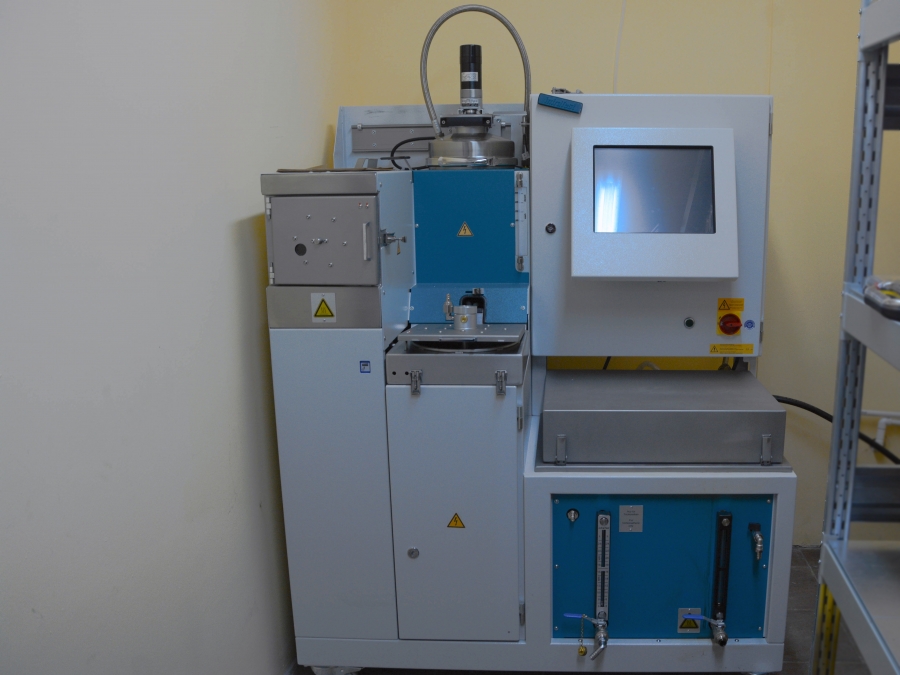
Bituminous binder is one of the main components of asphalt concrete and crushed stone–mastic mixtures. It significantly affects the quality characteristics of asphalt concrete, and its content in mixtures is regulated by national standards.Asphalt analyzer RB (extractor)determines the bitumen content in asphalt concrete mixtures, separating the stone material from the binder itself. In this case, a fireproof solvent trichloroethylene is used. The method is applied in accordance with the modern national standard – GOST 58401.19-2019 "Public roads. Mixtures of asphalt concrete road and asphalt concrete. Determination of the content of bitumen binder by extraction method".
The principle of operation of the installation is as follows: asphalt concrete mixture (up to 3.5 kg) is loaded into a washing drum with a grid (with cells 0.09, 0.063 or 0.075 mm), which is placed in the washing chamber. Under the control of the controller, a programmed sequence of the procedure for washing bitumen out of asphalt under the influence of ultrasound, drum rotation and solvent is performed. Solvent, bitumen, and filler are separated by centrifugation. The filler remains inside the centrifuge bowl, while the solvent and bitumen are separated from each other in the regeneration unit by distillation. Then the solvent is used again. All solid residue from the washing drum together with the filler is dried in the centrifuge bowl.
The whole process does not take much time. The unit is characterized by a short working cycle (along with drying, depending on the type of mixture, from about 35 to 45 minutes) and significantly less harmful effects on the environment due to solvent losses of less than 50 ml. per extraction cycle. In addition, the device is supplemented with a special separator that allows to separate and detect the presence of rubber additives (including finely dispersed ones) in asphalt concrete. During the extraction process, during the first washing cycle, rubber particles are separated from the binder and accumulated in the separator, then the extraction process in the RB asphalt analyzer proceeds in standard mode.
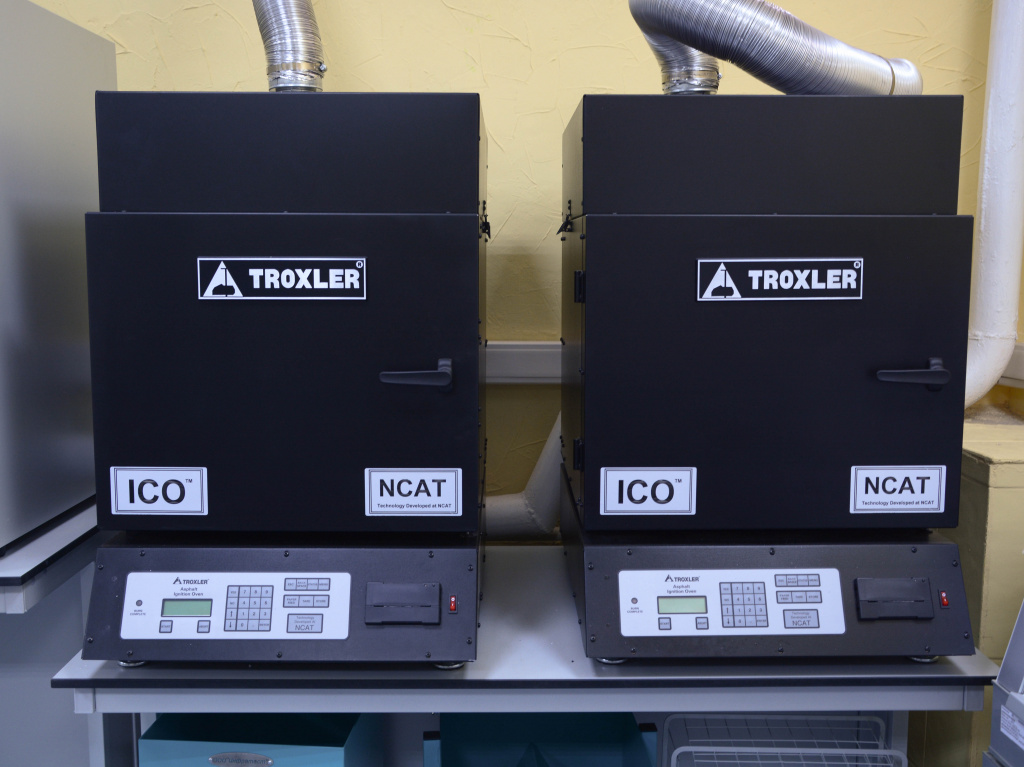
Burning furnace (asphalt analyzer)It is used to determine the amount of binder and granulometric composition of the mixture. Asphalt concrete mixture is burned at a temperature of 540 ° C in accordance with GOST 58401.15-2019 "Public roads. Mixtures of asphalt concrete road and asphalt concrete. Determination of the content of bitumen binder by burning".
The method is based on infrared technology for determining the content of bitumen by calcination. The sample is processed using infrared radiation to obtain a very clean and efficient bitumen combustion.
The asphalt analyzer includes: an oven for burning bitumen with infrared heating, a weighing system for continuous monitoring of the sample mass during the burning process, a built-in fan with an air duct.
The content of the bitumen binder is determined based on the mass of the asphalt concrete mixture before and after burning. Moreover, the furnace automatically displays the percentage of bitumen in the mixture. The remainder can be sifted for granulometric analysis.